


 English
 Spanish
 French
 German
 Italian
 Chinese (Simplified)
 Japanese
 Korean
 Arabic
 Portuguese
Call us now
08045475881
Resistant Dextrin
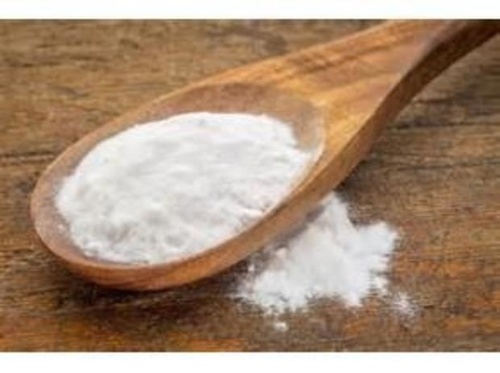

Resistant Dextrin Specification
- Assay
- >85%
- Place of Origin
- India
- Loss on Drying
- <6.0
- Heavy Metal (%)
- <0.5
- Storage
- Dry Place
- Other Names
- Resistant Dextrin
- CAS No
- 9004-53-9
- Type
- Immune Function Agents
- Grade
- Food Grade
- Usage
- Resistant dextrin can be used in health foods, flour products, meat products, dairy products, beverages, confections, wine, seasonings, frozen food and other fields.
- Purity
- >85
- Appearance
- WHITE TO LIGHT YELLOW POWDER
- Application
- Cosmetic Industry, Pharmaceutical Industry
- Smell
- No Smell
- Color
- White
- Form
- Powder
Resistant Dextrin Trade Information
- Minimum Order Quantity
- 100 Kilograms
- FOB Port
- Nhavaseva
- Payment Terms
- Letter of Credit (L/C), Cash in Advance (CID)
- Supply Ability
- 10000 Kilograms Per Month
- Delivery Time
- 10 Days
- Sample Policy
- Free samples are available
- Main Export Market(s)
- Australia, South America, Eastern Europe, Middle East, Central America, Western Europe, Asia, North America, Africa
- Main Domestic Market
- All India
About Resistant Dextrin
Diverse Industrial Applications
Resistant dextrins unique functional attributes make it a highly sought-after ingredient in the cosmetic and pharmaceutical industries. Additionally, it finds extensive use in health foods, beverages, dairy products, and many other consumables. Its adaptability and high purity contribute to creating superior end products across multiple sectors.
Quality and Safety Standards
Complying with rigorous food-grade quality benchmarks, this resistant dextrin has purity greater than 85% and heavy metal content below 0.5%. The product is presented as an odorless, free-flowing powder ranging from white to light yellow, ensuring consistency and excellent integration into various formulations.
FAQs of Resistant Dextrin:
Q: What is resistant dextrin and how is it used in the cosmetic and pharmaceutical industries?
A: Resistant dextrin is a highly soluble dietary fiber derived from starch, commonly applied as a functional ingredient in cosmetic and pharmaceutical products. In cosmetics, it serves as a stabilizer while in pharmaceuticals, it may act as a fiber source or bulking agent. Its purity and lack of odor make it suitable for sensitive formulations.Q: Where should resistant dextrin be stored to maintain its quality?
A: Resistant dextrin should be stored in a dry place, away from moisture and strong odors, to preserve its powdery texture and prevent clumping or degradation. Proper storage guarantees long-term stability and effectiveness.Q: How can resistant dextrin benefit food and beverage products?
A: When added to food and beverage formulations, resistant dextrin enhances fiber content without altering taste or smell. It helps improve digestive health, supports immune function, and maintains desirable texture in a variety of consumables such as health foods, dairy, flour products, confections, and seasonings.Q: What is the manufacturing process of resistant dextrin?
A: Resistant dextrin is produced by enzymatically treating starch, resulting in a powder that is highly soluble and has a high fiber content. The manufacturing ensures minimal heavy metal contamination and consistent quality, ideal for food, pharmaceutical, and cosmetic applications.Q: When should resistant dextrin be used in product formulation?
A: Resistant dextrin should be incorporated during the blending stage of product formulation, ensuring even dispersal throughout the mixture. It can be introduced when developing recipes for health foods, flour, beverages, or cosmetics that require a dietary fiber boost or functional stabilization.Q: Is resistant dextrin safe for consumption?
A: Yes, this resistant dextrin is food grade, with purity over 85% and low heavy metal content. It passes strict quality controls, making it safe for use in foods, beverages, and pharma products as a dietary fiber.Price 525 INR/ Kilograms
- Minimum Order Quantity
- 100 Kilograms
- Supply Ability
- 10000 Kilograms Per Month
- Delivery Time
- 10 Days
- Main Domestic Market
- All India
- Main Export Market(s)
- Australia, South America, Eastern Europe, Middle East, Central America, Western Europe, Asia, North America, Africa
 Get Latest Price
Tell us about your requirement

Price:
Quantity
Select Unit
- 50
- 100
- 200
- 250
- 500
- 1000+
Additional detail
Mobile number
Email

More Products in Pharmaceutical Products Category
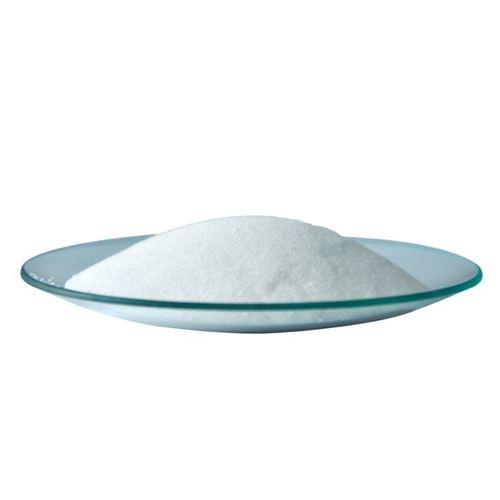
Betain Anhydrous
Price 1200 INR / Kilograms
Minimum Order Quantity : 100 Kilograms
Application : Pharmaceutical Industry, Cosmetic Industry, Animal Pharmaceutical
Form : Powder
Assay : 98%
Place of Origin : India
Fructose Powder
Price 150 INR / Kilograms
Minimum Order Quantity : 100 Kilograms
Application : Cosmetic Industry, Animal Pharmaceutical, Pharmaceutical Industry
Form : Powder
Assay : 99%
Place of Origin : India
Isomalto oligosaccharide
Price 350 INR / Kilograms
Minimum Order Quantity : 50 Kilograms
Application : Pharmaceutical Industry, Animal Pharmaceutical, Cosmetic Industry
Form : Powder
Assay : >90
Place of Origin : India
Bromelain 2400GDU
Price 2000 INR / Kilograms
Minimum Order Quantity : 25 Kilograms
Application : Pharmaceutical Industry, Biomedical Fields, Cosmetic Industry, Animal Pharmaceutical
Form : Powder
Assay : 2400
Place of Origin : India

RAJVI ENTERPRISE
GST : 24ALUPP7412L1ZI
GST : 24ALUPP7412L1ZI
|

601, Royal Square, Near JBR Arcade, Science City Road, Sola,Ahmedabad - 380060, Gujarat, India
Phone :08045475881
 Send Inquiry
- Pre and Probiotic
- Enzymes
- Active Pharmaceutical Ingredients
- Feed Supplement
- Bromelain Enzyme
- Food Ingredients
- Nutraceuticals & Food Supplement
- Aqua Probiotic
- Veterinary Medicine
- Food Extract
- Dry Yeast
- Dietary Supplements
- Bio Fertilizers
- Colostrum Capsule
- Detergent Enzyme products
- Mono Calcium Phosphate
- Pharmaceutical Products
- Pharmaceutical Enzymes
- agro product
 Send Inquiry
 Send SMS
 Call Me Free
RAJVI ENTERPRISE
All Rights Reserved.(Terms of Use)
Developed and Managed by Infocom Network Private Limited.
Developed and Managed by Infocom Network Private Limited.

